
Early County Arrest Records and Charges
Early County arrest records start with the Sheriff, a city police agency, or another arresting agency. They may identify the person booked, arresting agency, date of arrest, alleged charges, warrant or citation reference, and custody status. The court charge record begins when the prosecutor or court process turns that arrest into a formal accusation, indictment, complaint, or other filed charge. That court-side charge record is narrower than the full criminal case file because it focuses on the charged offense and status.
The custody and booking side belongs with jail and sheriff records. Current jail status should be checked through the jail because no verified online Early County roster was found. Filed charges, amendments, dismissals, pleas, and sentence outcomes belong in court records. For the final court file and sentence, use Early County criminal court records; for current custody and jail rules, use the jail route described on Early County inmate records.
The Georgia DDS violations, suspensions, and revocations page becomes relevant when a traffic-related arrest or charge creates driver-license consequences.
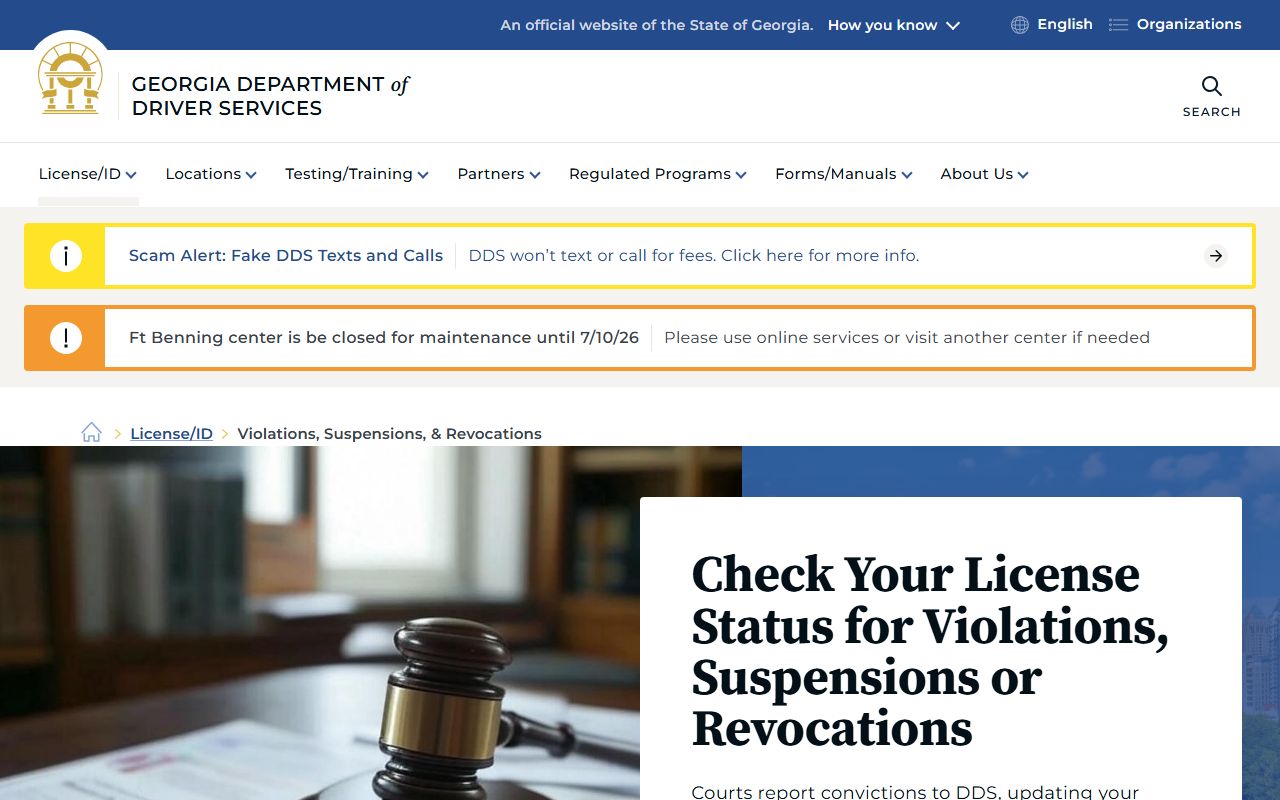
DDS records are not arrest records, but court-reported convictions can affect points, suspension, or reinstatement duties.
Early County Charges After Arrest
The charge path moves through several offices. Law enforcement arrests a person or serves a warrant. The jail books the person if custody is involved. Magistrate Court may handle first appearance, bond, and preliminary issues. The Pataula Judicial Circuit District Attorney decides formal prosecution for circuit criminal cases. The Clerk of Superior Court then keeps the court file for Superior and State Court matters. Each office may hold a different part of the overall record.
| Record Point | Likely Source | What It Can Show |
|---|---|---|
| Booking or arrest entry | Sheriff, jail, or arresting agency | Custody, agency, arrest date, initial allegations, and booking details. |
| Warrant or first appearance | Magistrate Court or Sheriff | Warrant type, bond, issuing court, and preliminary criminal steps. |
| Filed charge | District Attorney and court clerk | Accusation, indictment, count number, offense, and status. |
| Final outcome | Clerk of Superior Court | Plea, dismissal, verdict, disposition, sentence, and later orders. |
The Georgia DDS points schedule should be checked only for driver-record effects after qualifying traffic convictions are reported.
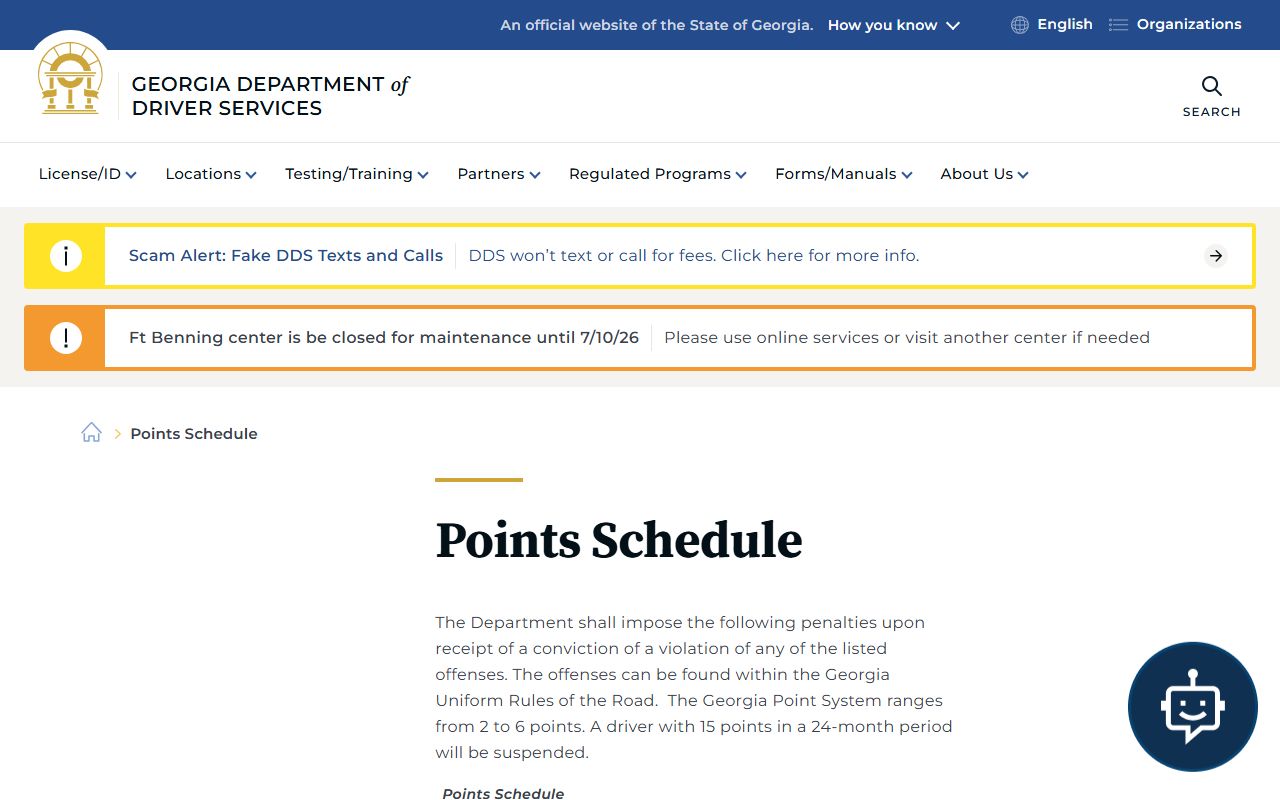
A points entry can follow a traffic conviction, but it does not replace the court charge record or the sheriff booking record.
Complaint Information Indictment
Charges after arrest usually become public through a charging document or docket entry, not just through the booking label used at the jail. Georgia criminal terminology can include an indictment returned by a grand jury, an accusation filed by a prosecutor, or complaint-style paperwork used in lower-court or preliminary settings. The exact term depends on court level and offense type.
| Document | Who Files or Issues It | Common Use | Why It Matters |
|---|---|---|---|
| Complaint | Officer, prosecutor, or lower-court process | Initial or preliminary criminal allegations | May start the court path before final prosecutor filing. |
| Information or accusation | Prosecutor | Non-indictment criminal prosecution | Shows the prosecutor's filed charges and counts. |
| Indictment | Grand jury | Felony prosecution | Shows formal grand-jury charges for Superior Court. |
The Pataula Judicial Circuit District Attorney office is located at 12850 Magnolia Street in Blakely and can be relevant when a charge-restriction or prosecution status question must be routed through the prosecutor rather than the jail.
Early County Charge Status
One arrest can produce several charges, and each charge can move in a different way. A charge may be pending while the case is open, amended to correct or change the filed offense, reduced through plea negotiation, dismissed by court order, or marked nolle prosequi when the prosecutor declines to proceed. The docket should be read count by count rather than as one broad case label.
| Status | Meaning in a Charge Record |
|---|---|
| Pending | The charge remains open or unresolved in the court file. |
| Amended | The filed charge was changed, corrected, or replaced by a later entry. |
| Reduced | The charge moved to a lesser offense, often through plea or prosecutor action. |
| Dismissed | The court record shows the charge was dismissed and did not end in conviction. |
| Nolle prosequi | The prosecutor chose not to pursue that charge further. |
| Disposed | The charge has an outcome, which must be read from the actual disposition entry. |
The Georgia VINELink portal can help track custody notification, but charge status must still be verified with court or prosecutor records.

VINELink is helpful for custody alerts, while the filed court charge record explains what the prosecutor and court did with the allegations.
Check Early County Arrest Records
Because Early County has no verified public jail roster and no single public county case portal, checking an arrest and the later charges requires a fallback chain. Start with the office most likely to own the current fact. Custody begins with the jail. Warrants and agency records begin with the Sheriff or Sheriff's Administration. Filed charges and dispositions begin with the clerk or provider account access.
- For current custody, call Early County Jail at 229-723-3150 or the Sheriff's Office at 229-723-3484.
- For records, citations, civil process, or warrants, contact Sheriff's Administration at 111 Court Square, Suite B.
- For filed Superior or State charges, contact the Clerk of Superior Court at 111 Court Square, Suite C.
- For prosecution status or record-restriction routing, use the Pataula Judicial Circuit District Attorney office.
- For traffic and license effects, confirm the court result first, then check Georgia DDS records if a conviction was reported.
Note: A booking label may not match the charge later filed by the prosecutor, so the court docket should be checked before judging the outcome.
Charge Versus Conviction
Arrest records and filed charges can be easy to overread. A person may be arrested and never convicted. A filed charge may be dismissed, reduced, amended, or resolved under a different count. The court disposition is the key field for deciding what happened. A Georgia criminal-history record may include arrest data and final judicial disposition data, but GBI access rules are separate from court-file access.
| Point | Charge | Conviction |
|---|---|---|
| Basic meaning | An allegation filed after an arrest, warrant, or prosecutor review. | A guilty result by plea, verdict, or accepted court finding. |
| Where it appears | Booking, warrant, accusation, indictment, docket, or charge list. | Disposition, judgment, sentence sheet, or certified court copy. |
| Can change | Yes, through amendment, reduction, dismissal, or nolle prosequi. | Can be modified by later orders, appeals, or restriction rules. |
| How to verify | Read every count and later docket entry. | Request the final disposition or certified copy from the clerk. |
The VINELink Google Play app is another route for custody alerts, not a prosecutor charge-status database.
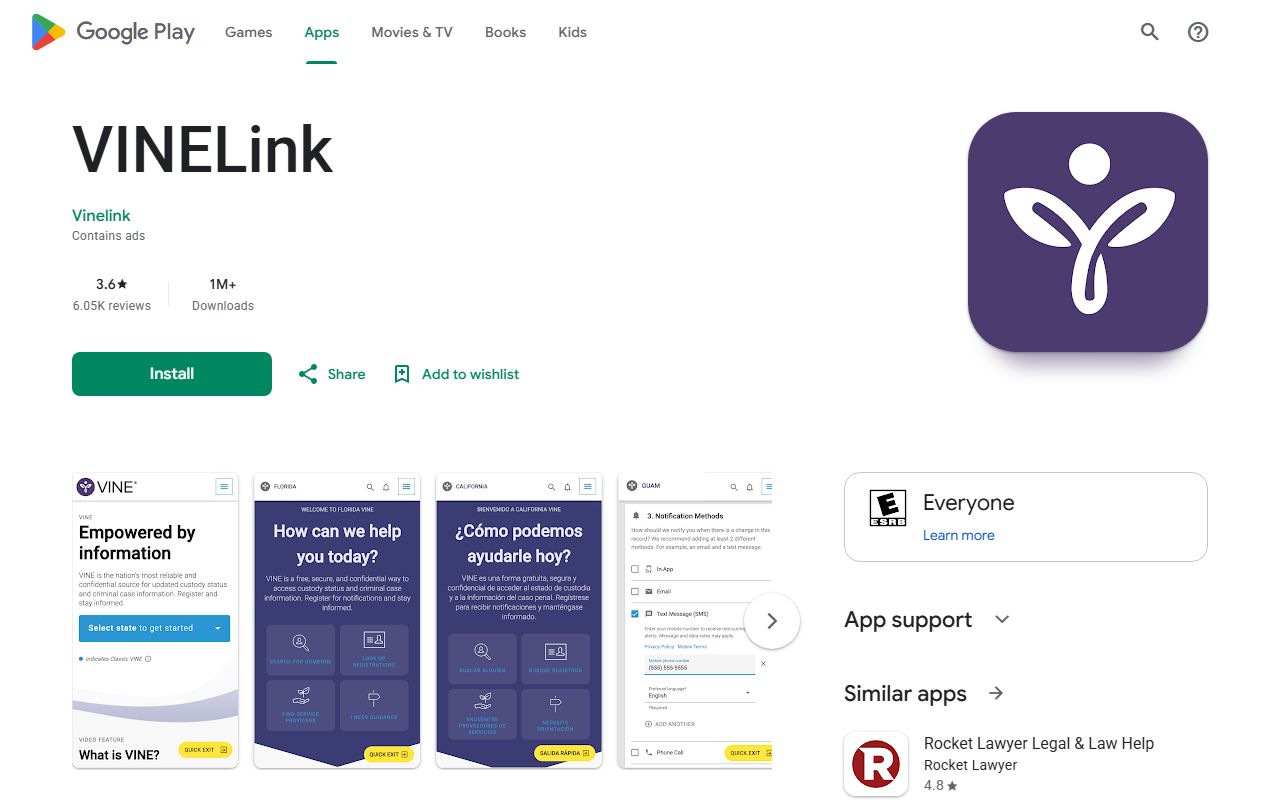
App-based custody notice can help monitor release or transfer, but the court file controls the official charge result.
Restricted Arrest and Charge Records
Georgia record restriction can limit disclosure of qualifying criminal-history information. GBI states that restricted records are not released for ordinary employment or licensing purposes, while judicial officials and criminal justice agencies may still have access. Georgia.gov explains that post-July 1, 2013 arrests usually require contact with the prosecutor, while pre-July 1, 2013 arrests may start with the arresting agency. If prosecutor approval is denied, Georgia.gov describes an appeal route to Superior Court within 30 days.
| Record Type | Public Access Issue | Early County Route |
|---|---|---|
| Juvenile arrest or case | Not open like adult criminal records. | Ask the clerk or court about party-only or order-based access. |
| Sealed court file | Hidden from ordinary public inspection by law or order. | Ask the Clerk of Superior Court what order controls access. |
| Restricted history | Limited from non-criminal-justice disclosure if qualifying steps are approved. | Use GBI, prosecutor, or arresting-agency restriction process. |
| Active investigation | Agency records may be withheld or redacted. | Use Sheriff's Administration or the proper agency request channel. |
Traffic Charges and DDS
DDS is relevant only when the arrest or charge involves a traffic offense, license status, points, suspension, or reinstatement. Courts report qualifying convictions to DDS. DDS then maintains the driver record, which is separate from the court charge record. The driver record may show points or suspension effects after a conviction, but it will not show the full criminal docket, bond order, charge amendment, or sentencing detail.
The DDS 2 GO app page describes a state driver-service app, not an Early County arrest-records app.
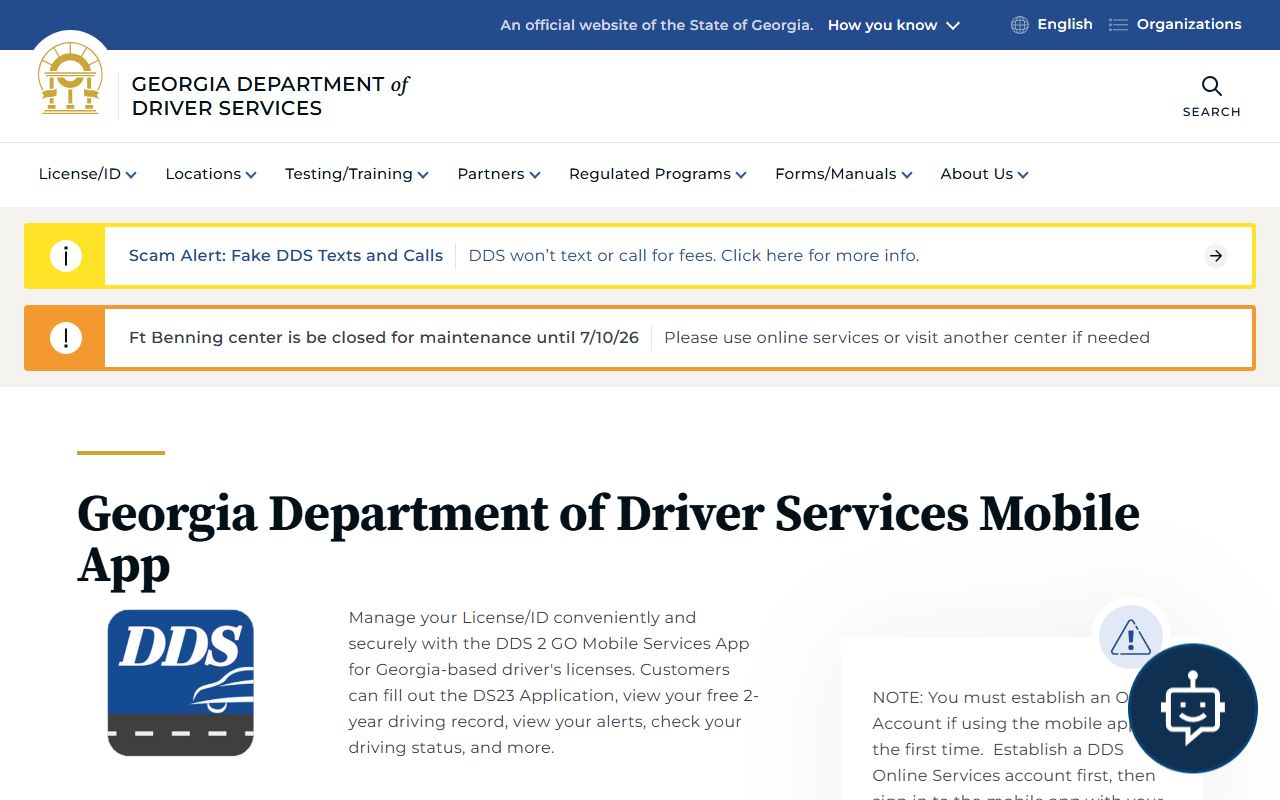
Use DDS tools for license and driver-history questions after checking the court outcome tied to the charge.
The DDS 2 GO Apple app is another state driver-record route for traffic consequences.
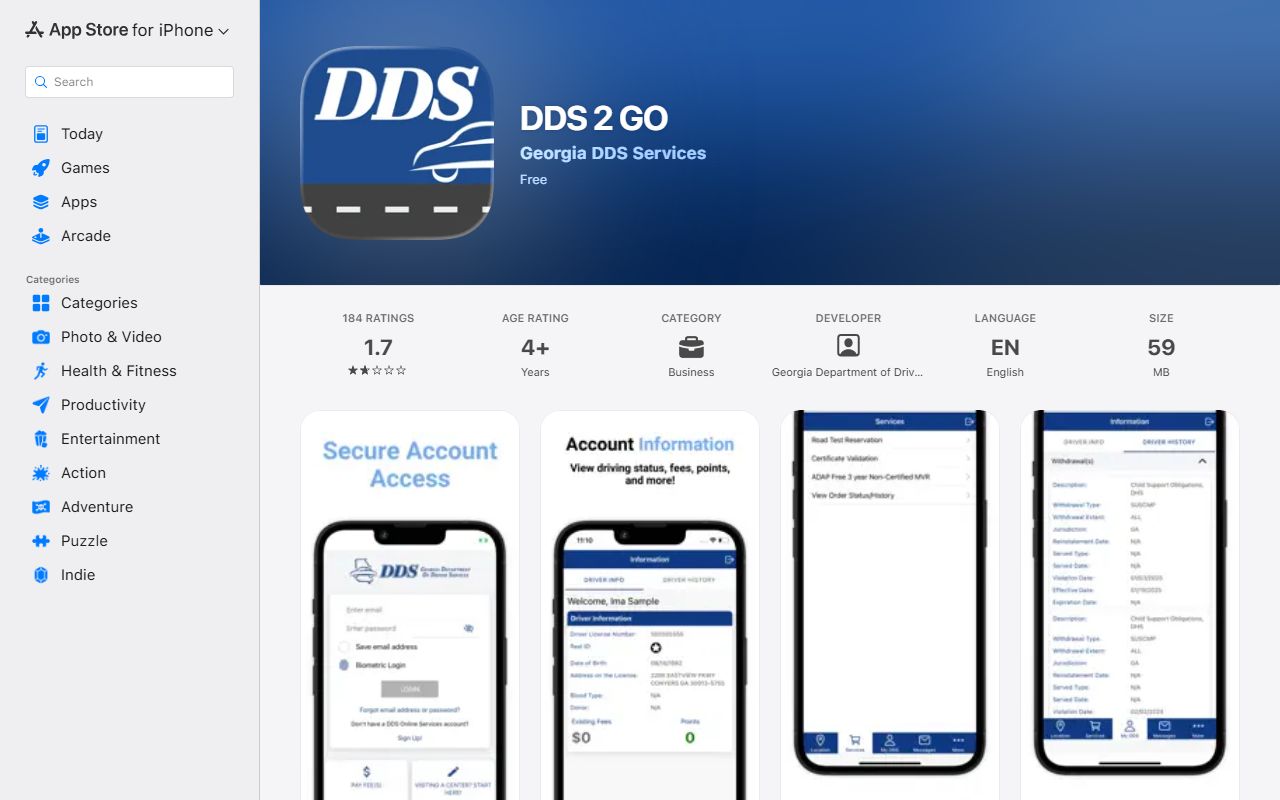
Neither DDS app listing is a warrant, booking, or prosecutor database for Early County charges.