
Early County Criminal Case Files
An Early County criminal court record is the case file kept after a prosecution is filed in court. The file may start with an accusation, indictment, warrant return, bond order, or other charging paper. It then grows as arraignment, motions, notices, hearings, plea papers, trial entries, disposition, sentence, probation terms, fines, costs, and restitution are filed. The Clerk of Superior Court manages Early County Superior, State, and Juvenile Court records, but juvenile access is restricted.
Felony prosecutions are Superior Court matters in Georgia. State Court may hear misdemeanors and traffic violations where jurisdiction exists. Magistrate Court often handles warrants, first appearances, and preliminary criminal steps, while Blakely Municipal Court may generate traffic or ordinance entries that later matter if a bench warrant or failure-to-appear issue is created. The full case outcome belongs in the court file, while the narrow charge path is treated separately in Early County arrest records and court charges.
The GBI criminal-history FAQ explains a different record system from the court file.
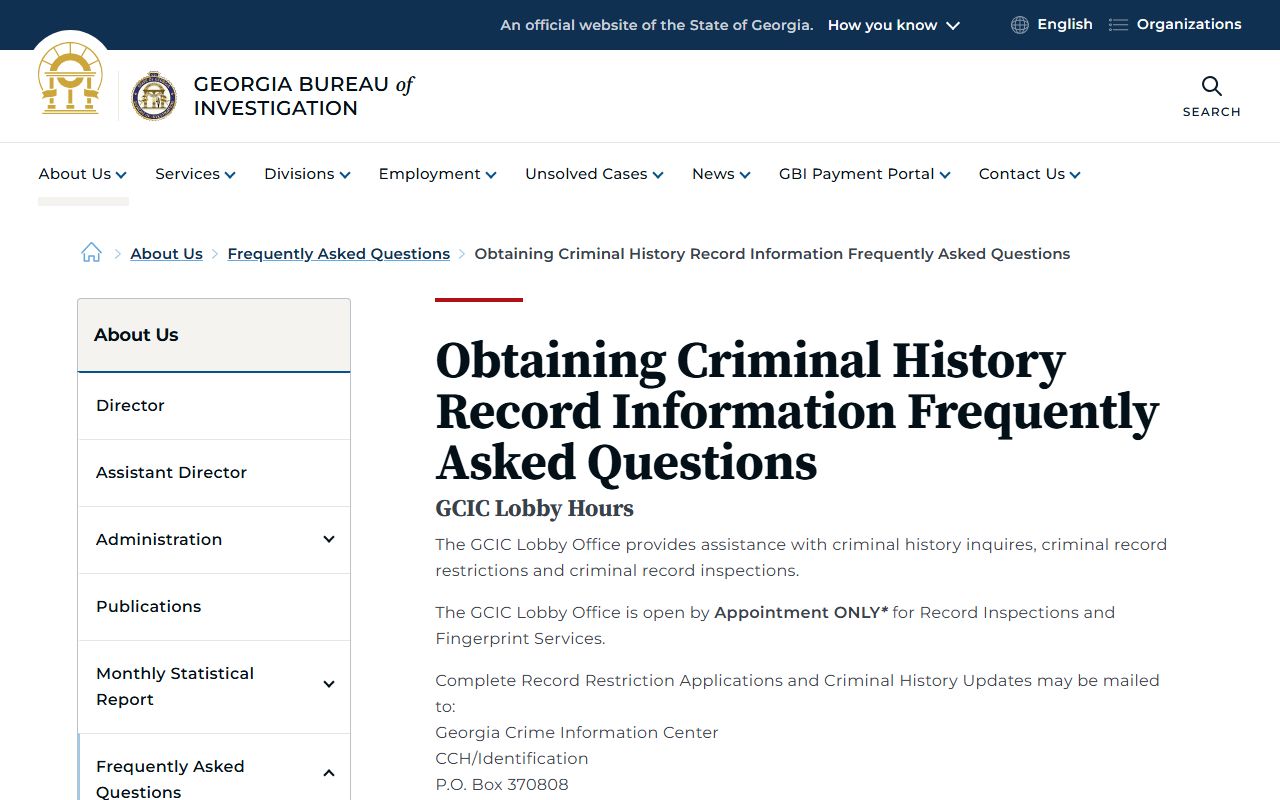
That distinction matters because a GBI history can summarize arrest and disposition data, while the Early County court file is the source for pleadings, docket activity, and certified case documents.
Search Early County Criminal Records
Early County does not publish one county-branded public case portal for every criminal matter. The practical access chain starts with the Clerk of Superior Court for Superior and State criminal files, then moves to Georgia Courts e-access or PeachCourt-style provider access if the file is available through an account system. Broad name-only searches may not work. Exact case numbers, court names, party names, and dates help the clerk locate the correct record.
- Identify the court level. Felony files usually begin with Superior Court, while State Court may hold misdemeanor or traffic-related criminal matters.
- Call or visit the Clerk of Superior Court to ask whether the record is available in office, by mail, or through provider access.
- Use Georgia Courts e-access only when an account route is practical and the court, county, and case number are known.
- Read the docket entries for charges, bond, plea, disposition, sentencing, probation, and later orders.
- Request certified copies from the clerk when the record will be used for court, licensing, immigration, or official proof.
The Georgia Courts e-access page says users are redirected to provider systems and must have an account to search court records. PeachCourt is useful for some electronic case and document access, but it is not the same as an open no-login Early County docket search. If the provider does not show the case, use the clerk's direct request channel rather than assuming no case exists.
Early County Criminal Case Flow
Criminal court records are easiest to read when the sequence is clear. Law enforcement may arrest a person or seek a warrant. Magistrate Court may handle a first appearance or preliminary step. The District Attorney then decides how to prosecute circuit criminal cases. Once a charging document is filed, the Clerk keeps the court file and later docket activity. Eligible defendants may work with appointed counsel through the Pataula Circuit Public Defender.
Case flow: Charges Filed › Arraignment › Pretrial and Motions › Plea or Trial › Disposition › Sentencing
| Stage | What the Court Record May Show |
|---|---|
| Charges filed | Accusation, indictment, warrant return, offense label, statute, agency, and filing court. |
| Arraignment | Formal reading or waiver of charges and the defendant's initial plea. |
| Pretrial and motions | Bond orders, discovery notices, continuances, suppression motions, and other judge rulings. |
| Plea or trial | Plea forms, verdict entries, nolo contendere entries, jury results, or bench trial outcomes. |
| Disposition and sentence | Dismissal, nolle prosequi, guilty plea, acquittal, sentence, probation, fines, costs, or restitution. |
The Pataula Judicial Circuit District Attorney page lists the Blakely prosecution office for the circuit and identifies Ronald "Vic" McNease Jr. as District Attorney.
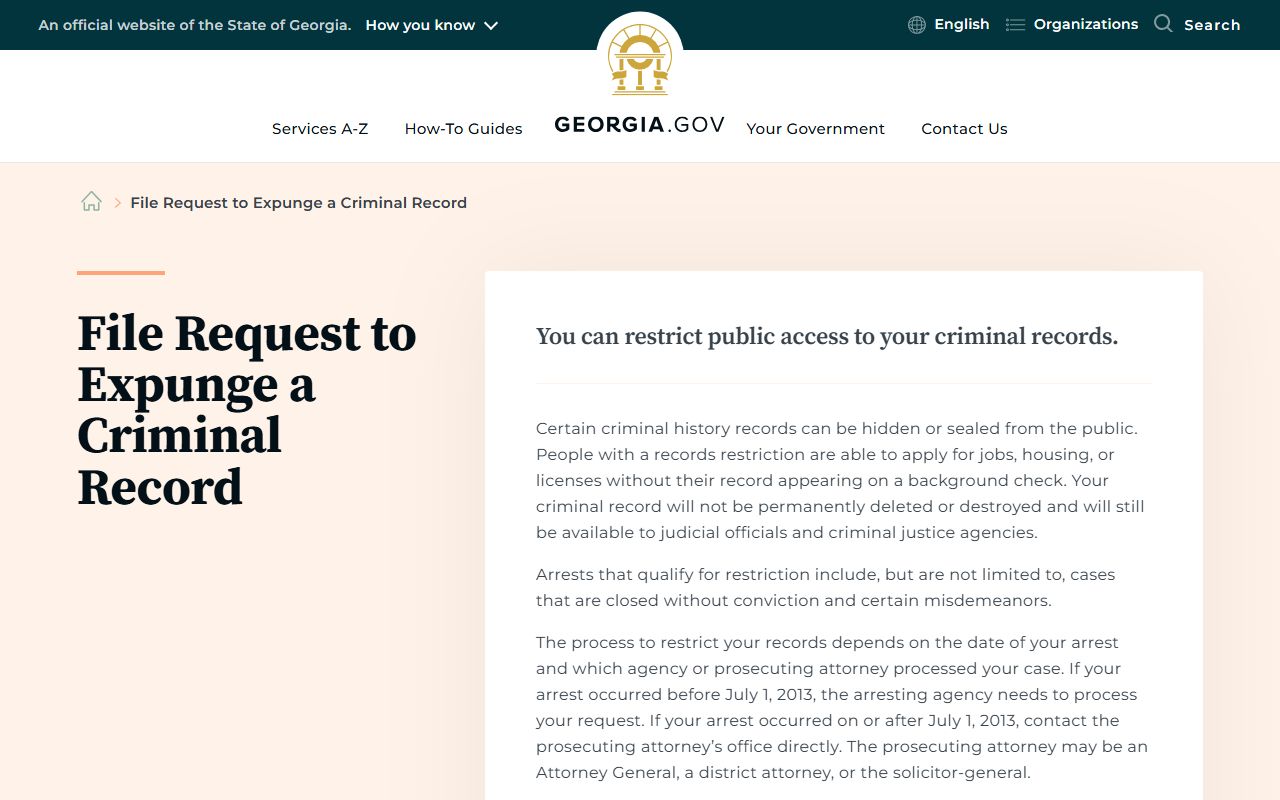
Restriction and disposition questions often depend on the prosecutor route, the court file, and the criminal-history record, so the case stage should be checked before relying on a summary.
Early County Criminal Record Fields
No public sample Early County criminal case display was captured without an account, so the safest field inventory is based on the court-record research and Georgia criminal case practice. A case file may show more than one entry for the same charge as the case moves from filing to plea, dismissal, or sentence. Older files may require manual lookup by the clerk using names, date range, court, and case type.
| Field | What It Shows |
|---|---|
| Case number | The exact number assigned by the court, provider, or clerk receipt. |
| Court | Superior, State, Magistrate, Municipal, or another court connected to the criminal matter. |
| Defendant | Name of the person accused, with protected identifiers redacted when required. |
| Charges | Filed offense names, counts, statutes, severity level, and later amendments if shown. |
| Docket entries | Chronological filings, hearings, notices, continuances, orders, pleas, and judgments. |
| Bond | Bond amount, type, conditions, release status, or revocation order if in the file. |
| Disposition | Dismissed, nolle prosequi, guilty, not guilty, acquitted, transferred, or closed status. |
| Sentence | Jail, probation, fines, court costs, restitution, programs, and special conditions. |
The GBI sex offender registry is another separate public system, not the full Early County criminal case file.
Registry data can be relevant after certain convictions, but the court record is still needed to confirm the original charge, plea, sentence, and later orders.
Charges and Convictions Compared
A charge is an accusation filed or carried forward in the court system. A conviction is the result of a guilty plea, guilty verdict, or other finding of guilt. Early County criminal records can show charges that were amended, reduced, dismissed, or not prosecuted. For that reason, the disposition field is as important as the charge label.
| Point | Charge | Conviction |
|---|---|---|
| Meaning | An alleged offense filed after arrest, warrant, accusation, or indictment. | A final guilty result by plea, verdict, or accepted court finding. |
| Timing | Appears near the start of the case and may change. | Appears after plea, trial, or final disposition. |
| Record risk | Can be misunderstood if the case was dismissed or reduced. | May affect sentence, probation, DDS reporting, licensing, or later penalties. |
| Where to verify | Charging document and docket entries. | Disposition, sentence sheet, judgment, or clerk-certified copy. |
The GBI registry service page explains that registry information changes and is supplied through agency processes.
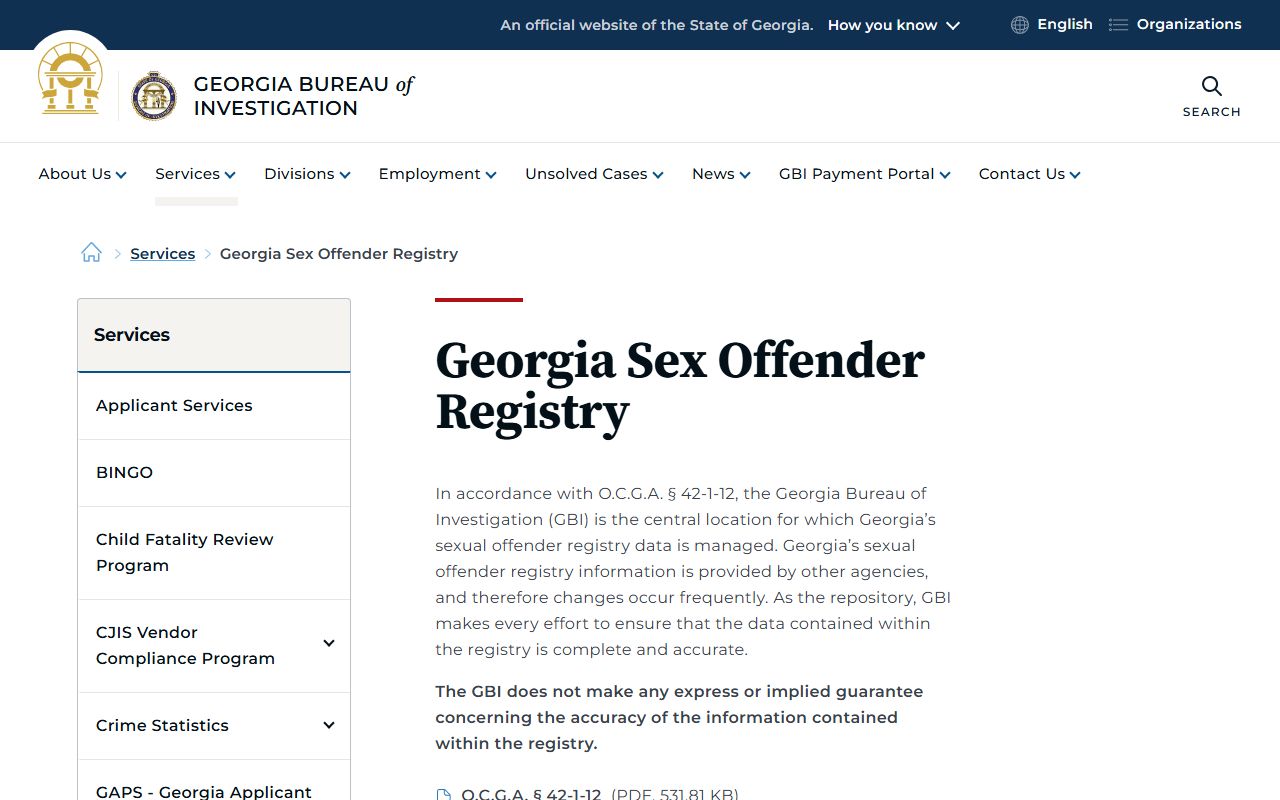
When a registry, history report, or custody tool points to a criminal matter, the court file remains the best source for the official disposition.
Sealed and Restricted Records
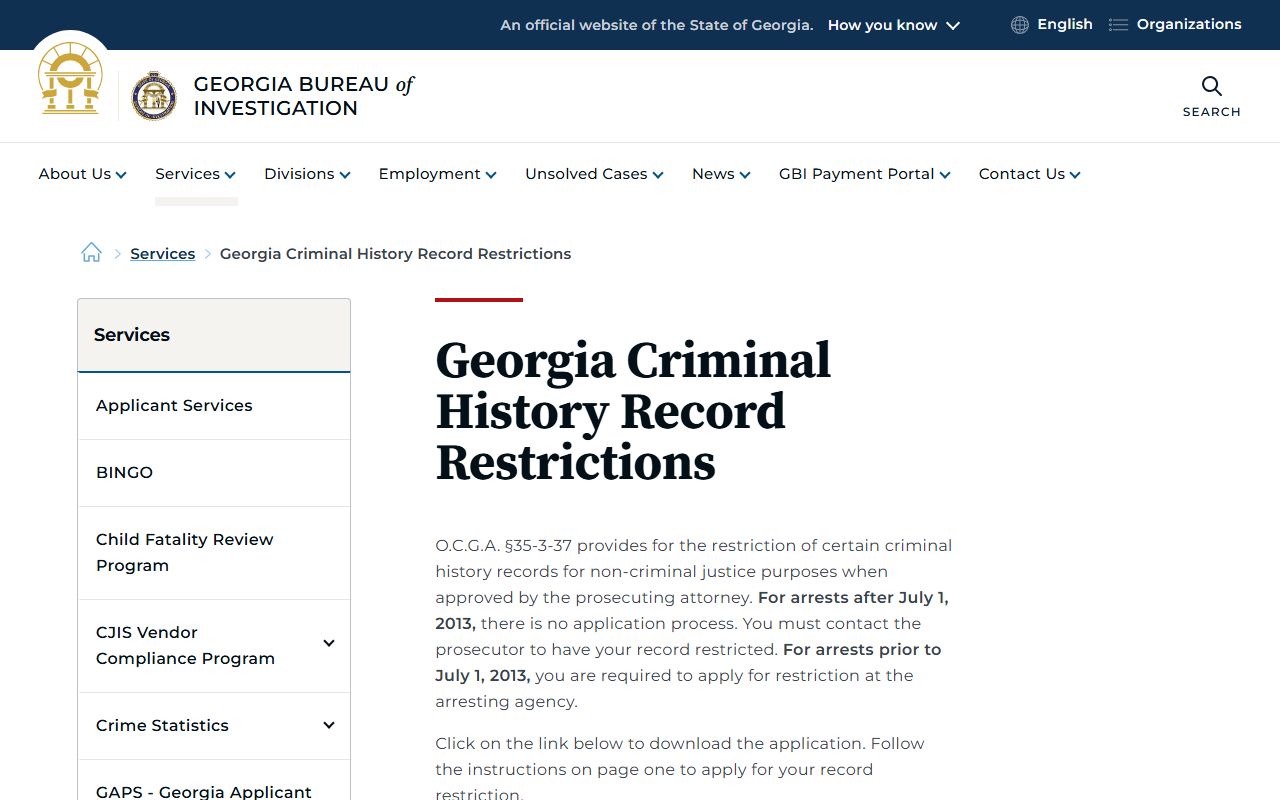
Georgia uses record restriction for qualifying criminal-history information. That is not always the same as sealing every court document. GBI explains that O.C.G.A. 35-3-37 limits certain criminal-history records from non-criminal-justice disclosure after the required agency or prosecutor process. Georgia.gov states that post-July 1, 2013 arrests generally require contacting the prosecutor, while older arrests may start with the arresting agency.
| Point | Sealed Court Record | Restricted Criminal History |
|---|---|---|
| Main effect | Public access to a court file or part of a file is limited by law or court order. | Qualifying GCIC/GBI criminal-history information is limited for non-criminal-justice release. |
| Common source | Uniform Superior Court Rule 21, statutes, or a judge's order. | O.C.G.A. 35-3-37 and prosecutor or agency review. |
| Still visible to | Parties, courts, or agencies may have access depending on the order. | Judicial officials and criminal justice agencies may still receive restricted information. |
| Early County route | Ask the Clerk of Superior Court which record is sealed and what order controls access. | Use the prosecutor or arresting-agency route described by GBI and Georgia.gov. |
The GBI criminal-history record restriction page gives the statewide restriction route for qualifying Georgia records.
A restricted history entry should not be treated as proof that every clerk-maintained court document has disappeared from the case file.
Early County Criminal Access Rules
Georgia court files are generally open unless a statute, court rule, or court order limits access. Uniform Superior Court Rule 21 says court records are public unless access is restricted through law or court procedure. Rule 21.6 and Rule 36.17 address protected identifiers and redaction. Georgia's Open Records Act can apply to agency records, but court-file requests should start with the court or clerk that owns the file.
Key access rules: Uniform Superior Court Rule 21 protects public access to court files unless access is limited by law or order. Georgia open-records request guidance describes agency response timing and request details for public records outside normal court-file procedures.
Juvenile files, adoption materials, protected identifiers, family violence identifier pages, mental health details, sealed warrants, and sealed criminal matters may not be available to the public. If a criminal case is missing from provider access, the reason may be age, lack of digitization, court level, restricted status, or an account gate rather than absence of a record.
Early County Criminal Contacts
Criminal case access often takes more than one office. The clerk can verify court filings and certified copies. The District Attorney can address prosecution-side charge decisions where public contact is appropriate. The Public Defender may represent eligible indigent defendants. Jail custody, booking, and warrant service stay with the Sheriff's Office and jail, not the court file.
Clerk of Superior Court
Gayle Anderson
111 Court Square, Suite C
Blakely, GA 39823
229-723-3033
8:00 AM-5:00 PM Monday-Friday
District Attorney
Ronald "Vic" McNease Jr.
12850 Magnolia Street
Blakely, GA 39823
229-724-3011
Public Defender
Marla Chambless
575 College Street
Blakely, GA 39823
229-758-6236
The national VINELink portal is useful for custody notifications, not for certified Early County criminal court records.
Use VINELink for notice of custody changes, then confirm charges, disposition, and sentence through the clerk or issuing court.